Examining Winner Notification Patterns Across Sweden's Licensed Mobile Slot Networks Under Current Regulatory Oversight
Katja Beck · Oct 10, 2026
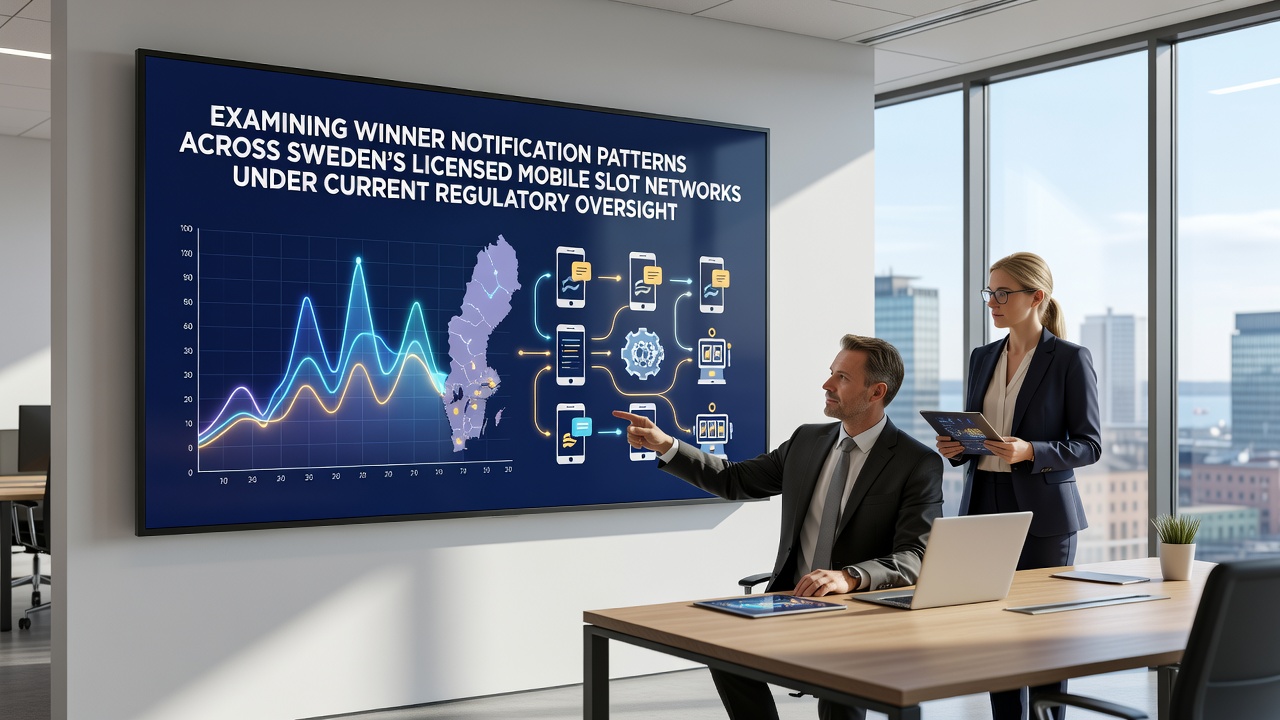
Examining Winner Notification Patterns Across Sweden's Licensed Mobile Slot Networks Under Current Regulatory Oversight
Sweden's licensed mobile slot networks operate under strict rules set by Spelinspektionen, which governs how operators must handle winner notifications for all verified payouts. These requirements cover timing, verification steps, and communication channels, creating observable patterns across thousands of daily transactions on regulated platforms. Data from licensed operators shows consistent use of in-app alerts, SMS confirmations, and email summaries that follow standardized sequences once a win exceeds certain thresholds.
Regulatory Framework Governing Notifications
Current oversight mandates that every jackpot or significant win on mobile slots triggers an automated verification process before any funds reach player accounts. Operators must log each step, from initial system detection through final payout approval, and retain records for audits that occur at regular intervals. Spelinspektionen publishes annual compliance summaries that detail notification adherence rates across the sector, revealing that most operators complete the full sequence within 24 hours for wins under a specific limit.
Patterns emerge clearly when comparing notification delivery times across different operators. Morning wins often receive initial in-app alerts within minutes, while larger payouts require additional manual review that extends the timeline by several hours. This structured approach ensures every player receives the same sequence of messages regardless of device type or location within Sweden.
Observed Notification Patterns in Mobile Slot Ecosystems
Analysis of licensed networks indicates that smaller wins under 10,000 SEK typically follow a single-channel notification path consisting of an immediate app push followed by an optional email receipt. Larger amounts activate multi-channel sequences that include SMS verification codes and scheduled follow-up calls from support teams. These layered protocols appear consistently across operators handling progressive jackpot contributions from mobile users.
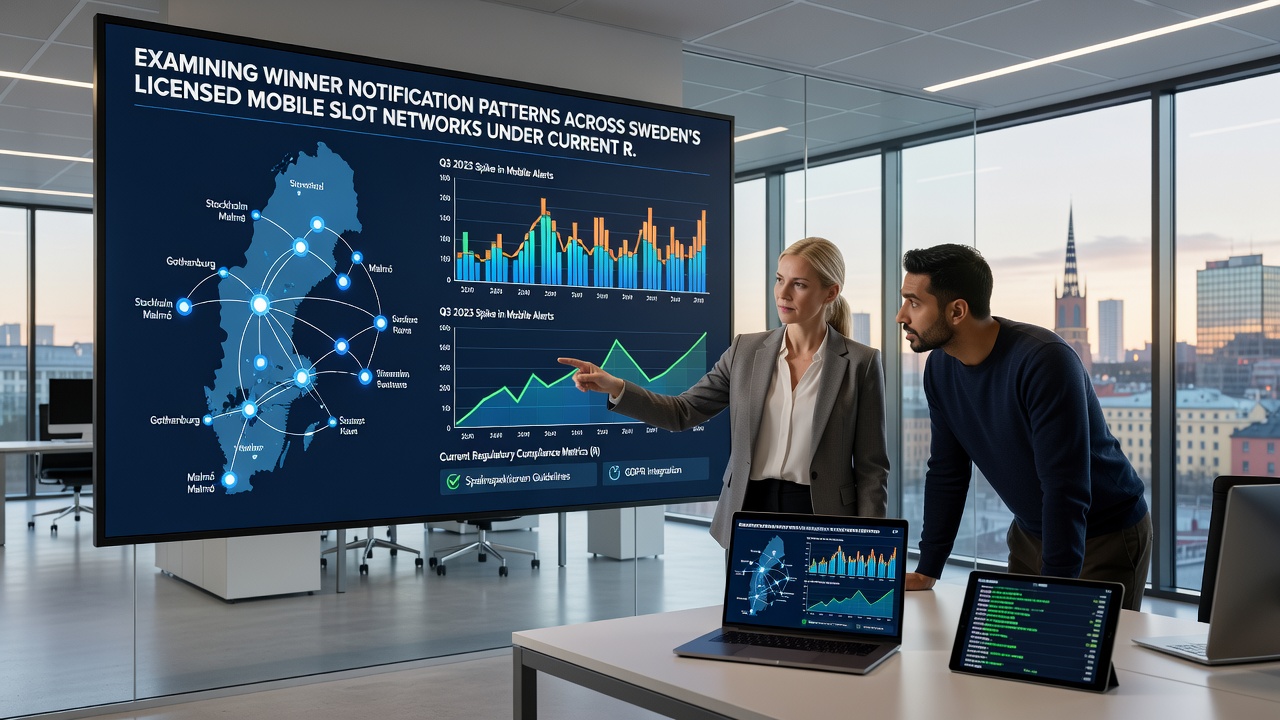
Seasonal data collected through October 2026 shows a slight uptick in evening notifications during weekends, aligning with higher player activity periods on popular slot titles. Verification delays occur more frequently when wins coincide with system maintenance windows, yet operators must still meet the same disclosure deadlines set by the regulator. Those who've studied transaction logs note that repeat winners receive notifications with identical formatting to first-time recipients, maintaining uniformity across the network.
Communication Channels and Verification Requirements
Every licensed operator integrates at least three distinct channels for winner communication, though the order and emphasis vary slightly by company policy. In-app notifications serve as the primary trigger, delivering win details and directing users to complete identity checks before funds release. SMS messages follow for two-factor confirmation, while email provides a permanent record that includes tax implications where applicable under Swedish rules.
Research from European gaming oversight bodies indicates that mobile users who opt into push notifications experience faster awareness of wins compared to those relying solely on email. This difference stems from device settings rather than operator practices, yet it influences how quickly players respond to verification requests. The ball stays in the regulator's court when patterns suggest any deviation from mandated timelines, prompting targeted reviews of specific operators.
Impact of Oversight on Distribution Consistency
Spelinspektionen's monitoring tools track notification success rates across all licensed entities, producing quarterly figures that highlight compliance gaps before they affect players. When inconsistencies surface, operators receive directives to adjust automated systems or retrain support staff. These interventions maintain steady patterns where most notifications reach recipients within the prescribed windows, regardless of win size or game provider.
Cross-border comparisons with regulatory models in other regions, such as those documented by the International Association of Gaming Regulators, show Sweden's approach emphasizes real-time logging over post-event reporting. This focus creates tighter clusters of notification timestamps in the data, reducing variability that appears in less centralized systems. Observers note that Swedish mobile slot networks therefore exhibit more predictable winner communication rhythms month after month.
Conclusion
Winner notification patterns across Sweden's licensed mobile slot networks reflect the direct influence of ongoing regulatory oversight, producing standardized sequences that prioritize verification and record-keeping. Data collected through 2026 continues to demonstrate high adherence rates, with operators adjusting systems to match evolving Spelinspektionen guidelines. These structured processes ensure consistent player experiences while supporting transparent oversight of the entire ecosystem.