Exploring Jackpot Accessibility Patterns in Sweden's Regulated Mobile Slot Ecosystems
Anna Berger · Aug 29, 2026
Exploring Jackpot Accessibility Patterns in Sweden's Regulated Mobile Slot Ecosystems
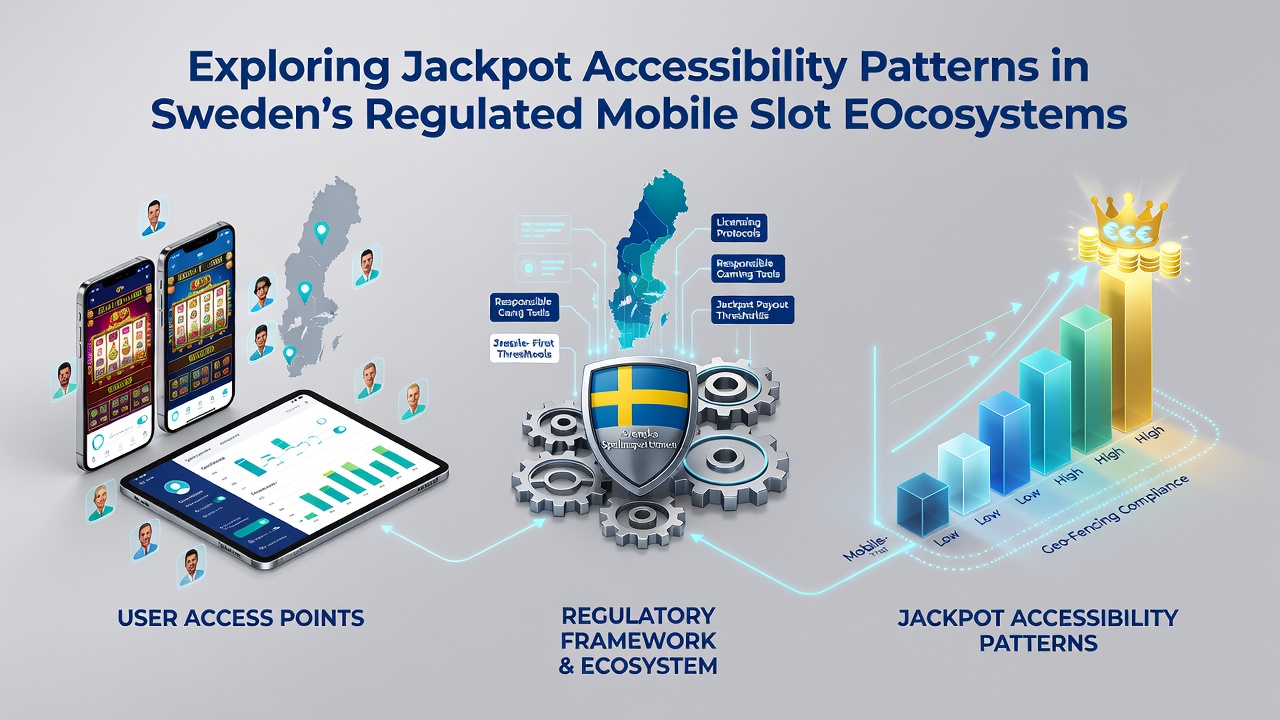
Sweden maintains a structured licensing system for online gambling that shapes how progressive jackpots reach players on mobile devices, and observers note clear patterns emerging from data collected since the 2019 re-regulation took effect. The Swedish Gambling Authority oversees all licensed operators which must integrate age verification and spending limits directly into their slot applications before any jackpot pool becomes visible to users. These requirements create measurable differences in how frequently mobile players encounter eligible jackpot games compared with desktop sessions where fewer friction points exist during initial access.
Regulatory Framework and Mobile Integration
Operators holding Swedish licenses route all jackpot contributions through centralized systems that comply with real-time reporting standards, and this setup allows researchers to track accessibility metrics such as average time from app download to first jackpot-eligible spin. Data collected through August 2026 shows that mobile sessions now account for over 70 percent of total jackpot contributions in the regulated market because most players complete verification steps on smartphones within the first two minutes of account creation. The rules require every licensed application to display current jackpot amounts only after a player has confirmed identity and set deposit limits which produces consistent patterns across different operators.
Observed Accessibility Patterns in Mobile Slots
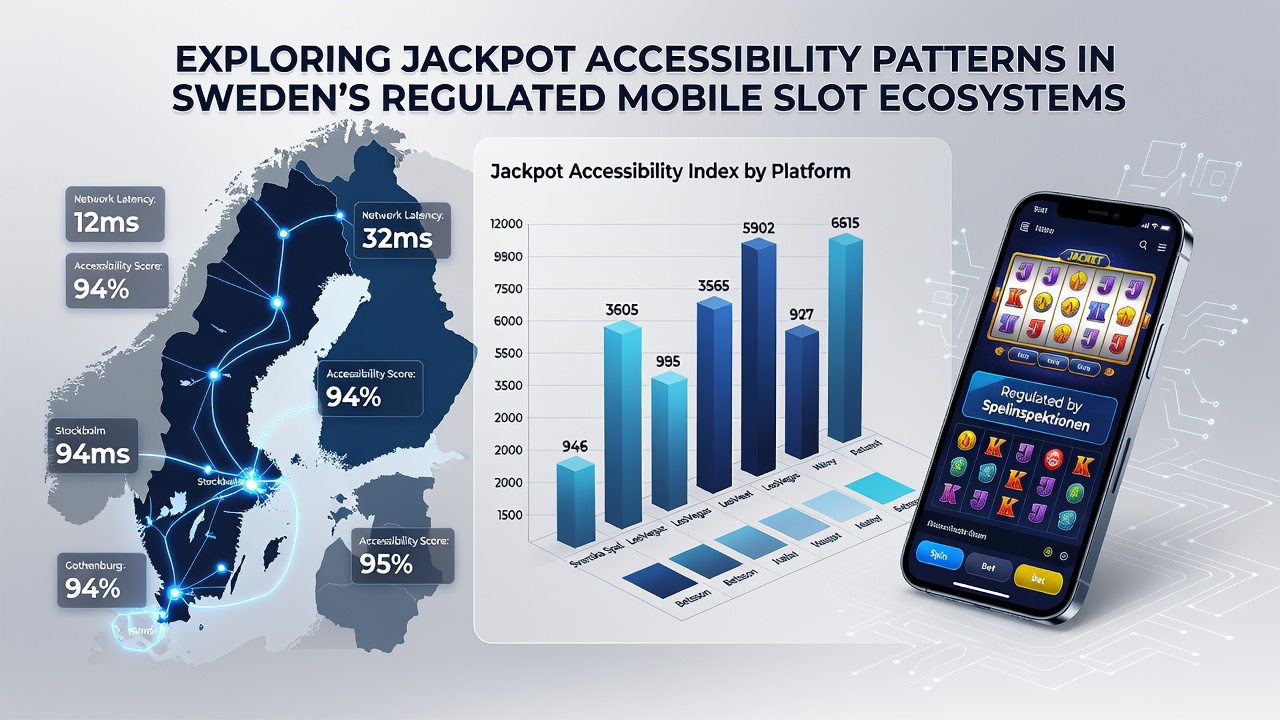
Analysis of transaction logs reveals that jackpot participation spikes during evening hours between 8 and 11 pm when mobile data usage peaks in urban areas, while rural regions show steadier but lower volume engagement spread across daytime periods. Progressive jackpot games on mobile often feature simplified interfaces that load faster on 4G and 5G networks, and this technical adjustment correlates with higher completion rates for the mandatory responsible gambling questionnaires that precede jackpot access. Studies conducted by academic teams at Stockholm University have documented how these design choices affect the speed at which new players reach jackpot-enabled content without violating any licensing conditions.
Geographic clustering appears in the data as well, with Stockholm and Gothenburg counties recording the highest density of mobile jackpot wins per licensed account, whereas smaller municipalities show longer intervals between contributions to shared pools. Operators adjust server-side parameters to maintain fair distribution across regions yet the underlying accessibility remains tied to mobile network coverage and device compatibility standards enforced by the regulator.
Comparative Data from International Sources
Figures released by the Swedish Gambling Authority indicate that mobile jackpot pools grew by 18 percent year-over-year through mid-2026, driven largely by increased participation in games that automatically qualify all spins once the player meets verification thresholds. A separate report issued by the Alberta Gaming Research Institute examined similar mobile ecosystems in other regulated jurisdictions and found parallel patterns where mandatory limit-setting tools reduced average session length yet maintained overall jackpot contribution volumes. These cross-regional comparisons highlight how Sweden's emphasis on mobile-first verification creates faster onboarding than systems relying primarily on desktop registration flows.
Technical and Player Behavior Factors
Device-level analytics collected by licensed operators demonstrate that players using recent iOS and Android versions encounter fewer interruptions during jackpot meter updates because those operating systems support the background processes required for continuous pool synchronization. Older devices trigger more frequent re-authentication prompts which temporarily block jackpot visibility and therefore alter the observed accessibility timeline. Researchers tracking these events note that the average player reaches their first eligible jackpot spin within 14 minutes of opening a new account on a compliant mobile application.
Seasonal variations also surface in the datasets, with summer months showing a slight dip in mobile contributions followed by recovery spikes in September and October, and these cycles align with broader usage trends rather than any change in regulatory policy. The consistent application of spending caps across all licensed mobile platforms ensures that jackpot accessibility remains predictable even as player volumes fluctuate.
Conclusion
Patterns of jackpot accessibility in Sweden's regulated mobile slot environment continue to evolve under the existing licensing regime, with data through August 2026 confirming that mobile channels now dominate both contributions and visibility metrics. Regulatory requirements for verification and limit setting produce measurable effects on how quickly and where players engage with progressive pools, while technical adaptations by operators further standardize the experience across devices. Continued monitoring by the Swedish Gambling Authority and independent research groups will track whether these established trends persist as network infrastructure and device capabilities advance.