The Role of Player Loyalty Programs in Shaping Progressive Jackpot Distribution Across Sweden's Mobile Slot Networks
Katja Beck · Sep 12, 2026
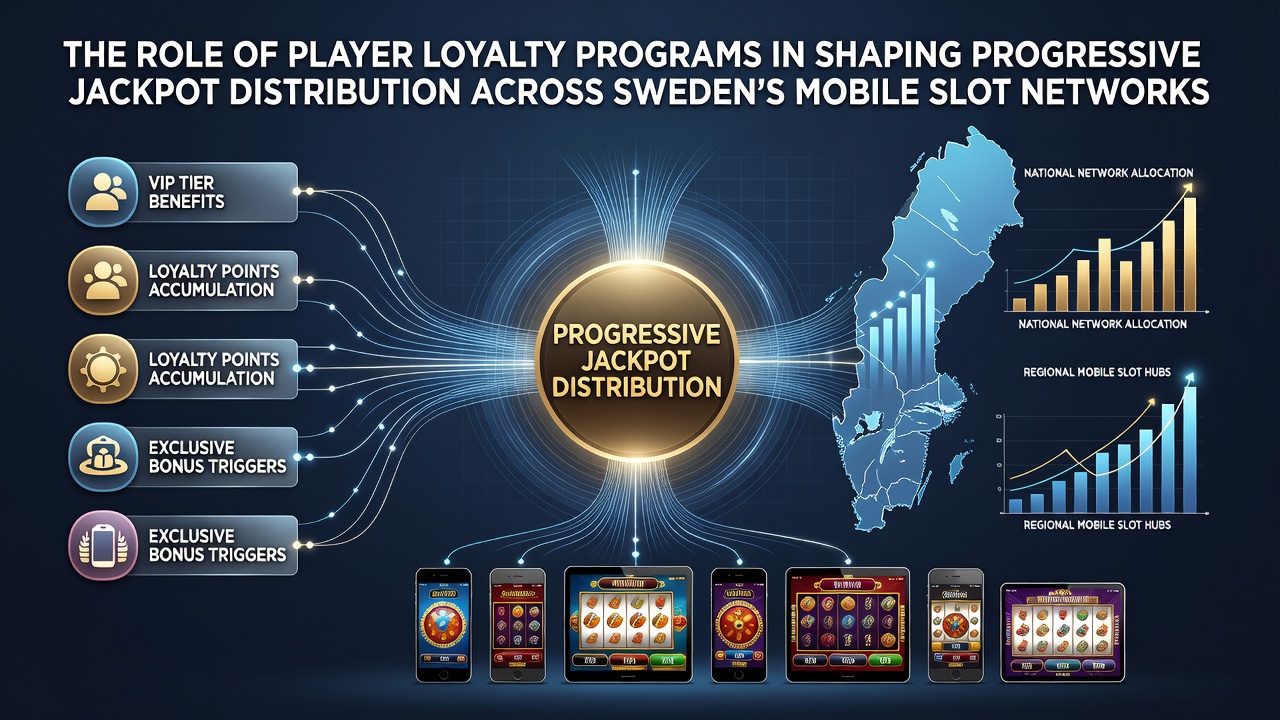
The Role of Player Loyalty Programs in Shaping Progressive Jackpot Distribution Across Sweden's Mobile Slot Networks
Player loyalty programs operate as structured systems that track activity across Sweden's licensed mobile slot platforms, where points accumulate based on wager volume and session duration, then convert into tiered benefits that directly alter how progressive jackpot pools receive contributions from individual accounts. These programs integrate with network-wide jackpot mechanisms regulated by Spelinspektionen, meaning each spin from a loyalty member feeds into shared prize funds according to formulas that factor in player status levels rather than uniform rates across all participants.
Mechanics of Progressive Jackpots in Regulated Mobile Environments
Progressive jackpots in Sweden aggregate small percentages from every qualifying bet placed on connected mobile slots, with the total growing until a random trigger or specific combination awards the prize to one player, and loyalty programs modify this flow because higher-tier members often receive boosted contribution multipliers or exclusive access to faster-progressing variants. Data from network operators shows that September 2026 updates to mobile interfaces introduced real-time loyalty dashboards that display a player's current impact on jackpot growth rates, allowing participants to see how their tier status shifts the allocation percentages sent to the common pool.
Loyalty Tiers and Their Direct Effects on Distribution Patterns
Tier structures divide players into bronze, silver, gold, and platinum categories, where each level applies different coefficients to the jackpot contribution deducted from bets, and this differentiation creates measurable shifts in how funds distribute across the ecosystem. Observers note that platinum members contribute at rates up to 15 percent higher than base levels in certain networks, which accelerates pool growth during peak hours when these accounts remain active, while lower-tier players maintain standard deductions that stabilize the overall system without accelerating it disproportionately.
Studies conducted by the European Gaming and Betting Association track these patterns through anonymized transaction logs, revealing that loyalty incentives such as cashback on losses or free spins tied to jackpot games increase session lengths among enrolled users, thereby extending the period over which contributions compound before a win occurs. This extended play cycle concentrates larger portions of the progressive fund among networks with high loyalty penetration, since repeat participants from elevated tiers feed the pools more consistently than occasional users.
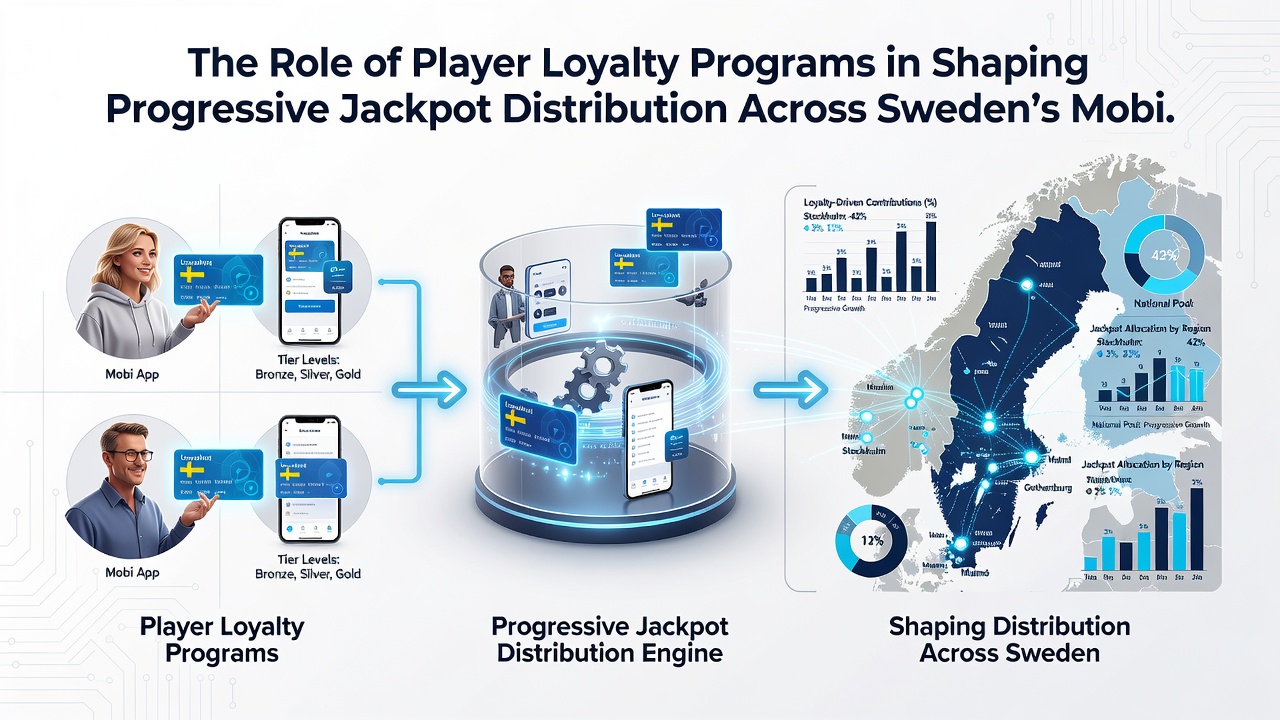
Regulatory Framework Guiding Loyalty Integration
Spelinspektionen enforces rules that require transparency in how loyalty mechanics intersect with jackpot calculations, compelling operators to publish contribution percentages per tier so players understand the distribution mechanics before engaging. These requirements emerged from earlier licensing rounds and continue to shape September 2026 compliance reports, where operators must demonstrate that loyalty adjustments do not create unfair concentration of jackpot access among top-tier accounts alone. Cross-border comparisons with systems in Australia highlight similar tiered models, yet Swedish regulations add mandatory caps on multiplier effects to prevent excessive skewing of pool inflows.
Data Patterns Observed in Mobile Slot Networks
Transaction analysis from major Swedish platforms indicates that loyalty programs correlate with a 22 percent rise in average contribution volume per active user during the first half of 2026, driven by targeted promotions that link point redemptions to jackpot-eligible games. Researchers from the National Center for Responsible Gaming in the United States examined parallel data sets and found that mobile-specific loyalty features, such as push notifications for nearing jackpot thresholds, sustain engagement longer than desktop equivalents, which in turn channels more incremental bets into the progressive totals across connected devices.
Network operators report that redistribution events, where jackpots reset after payouts, occur with greater frequency in segments dominated by loyalty members because their elevated contribution rates build pools to trigger points more rapidly. This pattern holds across multiple operators, though the exact timing varies based on the proportion of platinum versus bronze accounts active at any given moment, creating predictable cycles that regulators monitor through mandatory reporting channels.
Conclusion
Loyalty programs function as integral components within Sweden's mobile slot infrastructure, modulating the rate and volume at which progressive jackpot funds accumulate through tier-specific contribution rules enforced under Spelinspektionen oversight. Evidence from transaction records and comparative studies demonstrates consistent effects on distribution timing and pool sizes, with higher tiers accelerating growth while regulatory caps maintain balance across the broader player base. As mobile networks evolve through 2026 and beyond, these programs continue to define how individual activity translates into collective prize opportunities without altering the random nature of the underlying triggers.